Bioengineering · Emerging technologies

The most interesting technologies are rarely confined to a single discipline.

They emerge when ideas from different worlds collide.
Most of what I build lives in that overlap.

Founder & CEO, HydroTwin Labs Founder, DNL Ventures

A few highlights.

Each one placed between the disciplines it draws on.

Click a discipline above to filter  ·  click any project to open it

2024 to now · sponsored by MD Anderson Cancer Center

01ORCADE

Could an oral cancer biopsy be as simple as brushing your teeth?

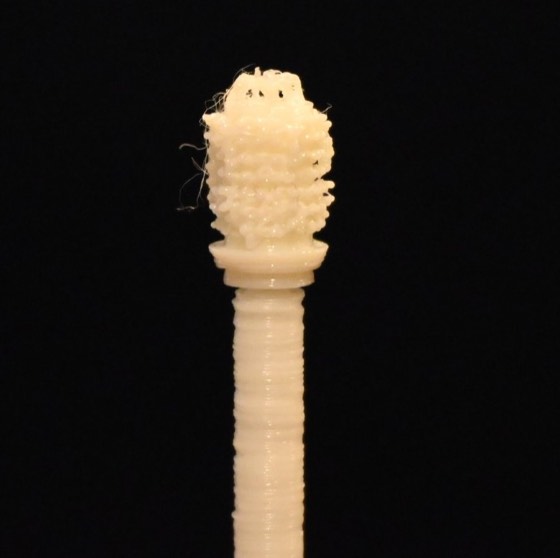
Oral Cancer Diagnostic Evaluator: Brush Biopsy Device Design for Collection and Transportation of DNA from Oral Lesions for Advanced Genomic Analysis and Diagnosis of Premalignant Oral Lesions

  • Bioengineering
  • Product design
  • Clinical validation
  • Entrepreneurship

That was the question. Right now diagnosis starts with someone looking: a clinician inspects the lesion, decides whether it looks suspicious, and if it does, cuts tissue out and sends it to pathology. Both halves are a problem. The looking is qualitative and depends on which specialist is doing it, and the cutting is unpleasant enough that people put off the follow-up that would have caught it early.

So the goal was a brush that collects enough DNA for genomic analysis instead, in a form a dentist or a primary care doctor could actually use. That turns a visual judgement into a measurement.

The first problem turned out to be physical. How stiff should the bristles be. How dense. How hard can you press before it stops counting as non-invasive.

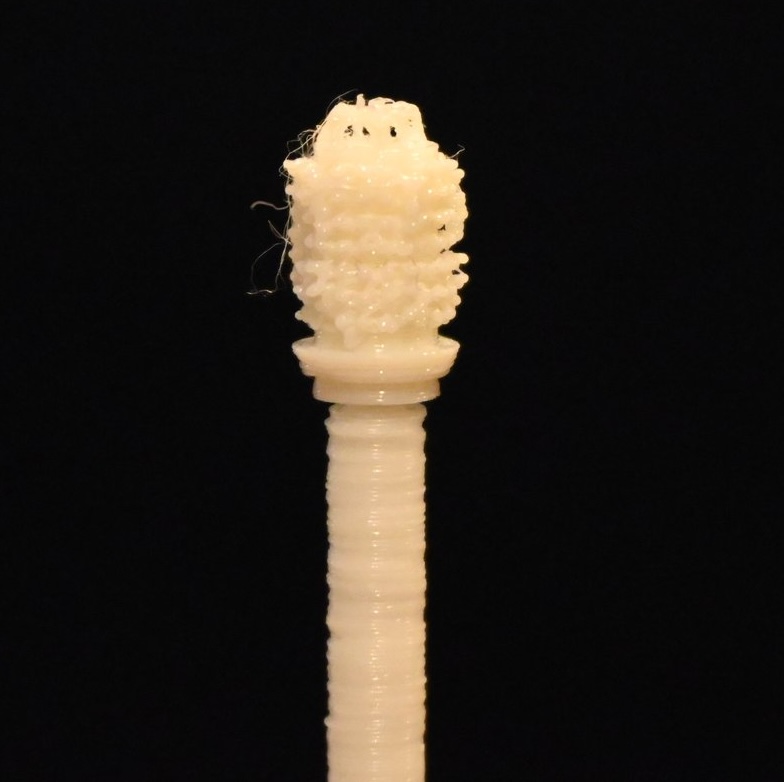
So we started making them. Print a geometry, test it, print another one. We got to 550 ng of DNA per sample at 1.92 purity, roughly twice what the tools currently in use collect, into a single tube that serves as collection, transport and analysis vessel so nothing has to be moved between steps. Then we validated it properly: cell culture, porcine tissue, and a human clinical protocol. The provisional patent is filed.

Where it went

  • 2025“Most Likely to Problem Solve in Style”, Rice Bioengineering capstone award
  • 2025Rice Launchpad program
  • 2025Provisional patent filed, genomic diagnostic device technology
  • 550 ngDNA per sample
  • 1.92Purity (A260/A280)
  • Yield vs. existing tools
Jan 2026 to now · Founder & CEO, HydroTwin Labs

02HydroTwin

We trust sensors. We rarely verify them.

Biological Ground Truth for Autonomous Sensor Validation in Controlled Environment Agriculture

  • Machine learning
  • Aquaponics
  • Sensor validation
  • Agritech

Controlled environment agriculture runs on uninterrupted sensor data. Probes drift, foul and fail silently, and the failure usually surfaces only once the biology has collapsed. The industry's answer is to add more hardware, which verifies nothing.

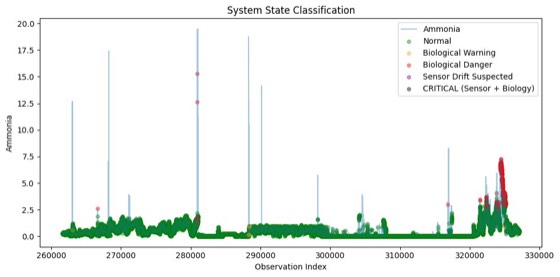
But healthy aquaponic systems are not random. Nitrogen moves through repeatable stages, and that trajectory is measurable. So when a reading deviates from where the biology should be, the reading is the thing I stop trusting.

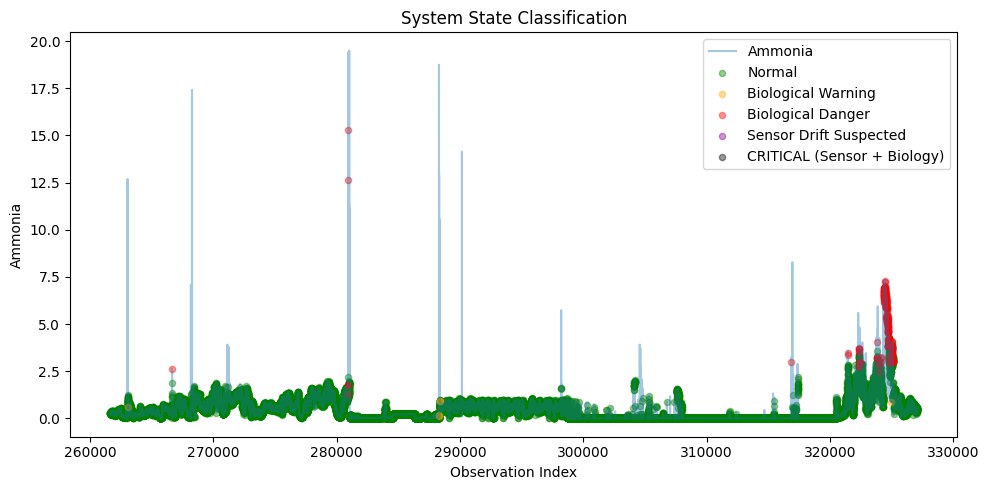
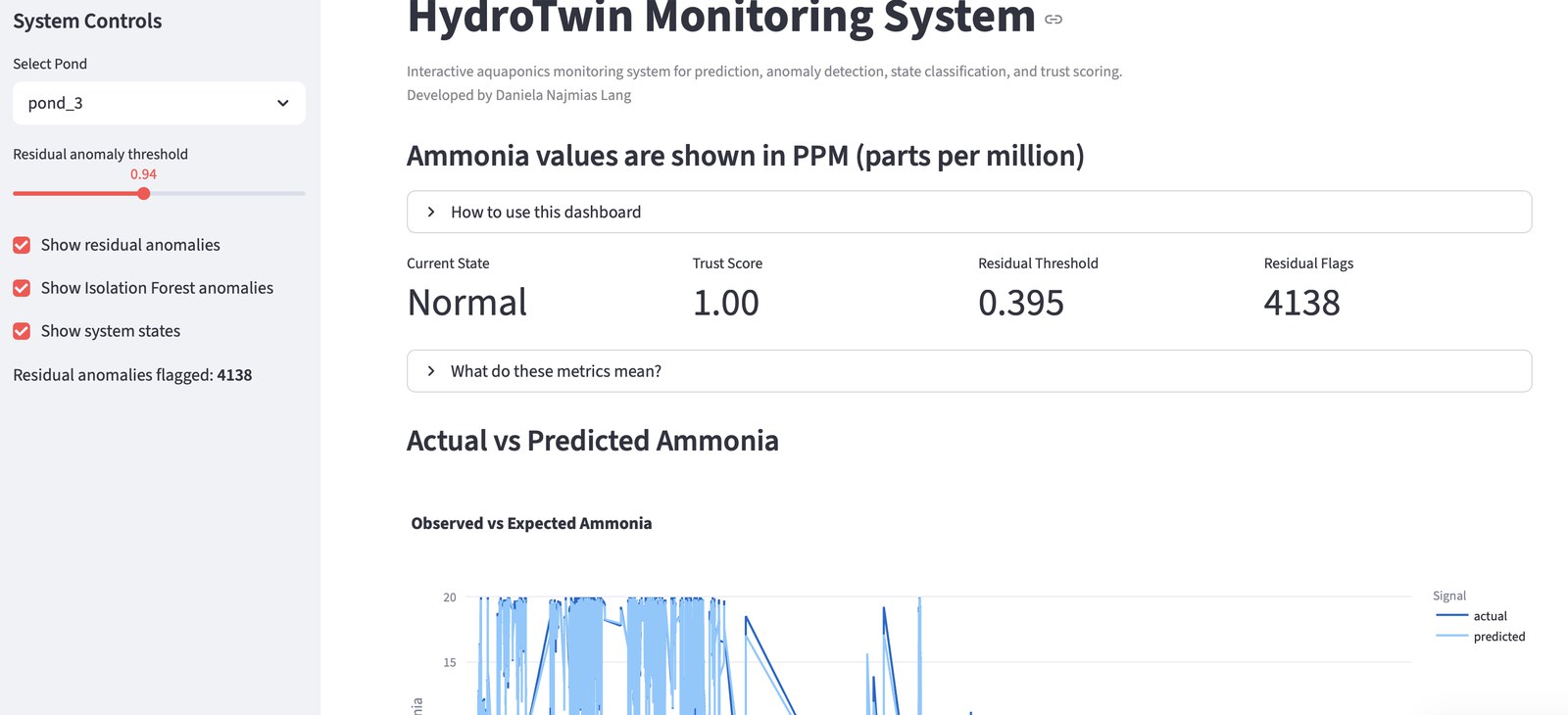
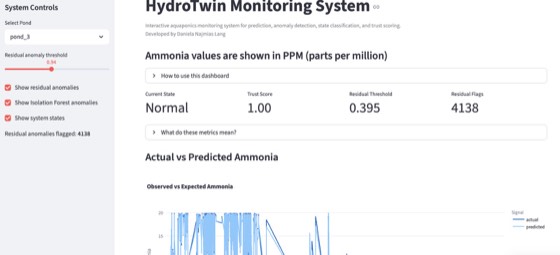
HydroTwin predicts expected ammonia from the rest of the water chemistry, compares it against the probe, and classifies the residual as agreement, sensor drift, or real biological risk. The model trains on a much larger dataset than my own, but knowing what a healthy system does hour by hour is what tells you where the boundaries of normal behaviour actually sit.

  • 0.061 → 0.033Mean absolute error, ammonia prediction
  • 0.97R² across multiple ponds
  • 100%Sensor-independent ground truth

Try it

Set what the model expects from the water chemistry, then what the probe is actually reporting. The residual is the signal.

Model expects0.25 ppm
Probe reports0.25 ppm
AgreementResidual inside model error. The probe is telling the truth.

Where it came from

  • 2015First advanced aquaponic system, a Costa Rica National Science Fair project. Logging it by hand, running the water chemistry the way a lab would, is where my sense of the system boundaries for normal biological behaviour comes from
  • 2016Second advanced aquaponic system, a different configuration, also a National Science Fair project
  • 2025The concept took shape in a machine learning, statistics and data science for engineers class, part of my Master of Bioengineering in Applied Bioengineering
  • 2026HydroTwin Labs founded. A validation layer that sits above existing hardware and audits it, rather than replacing it

2017 to now · seven versions, nine years

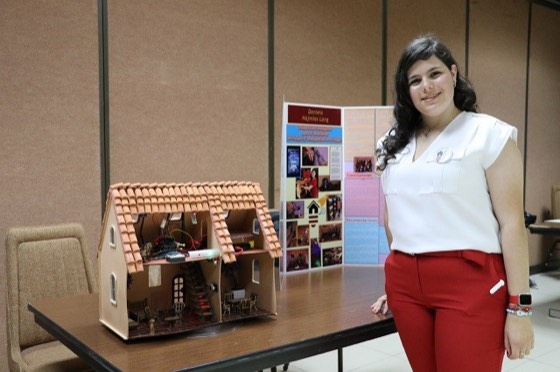
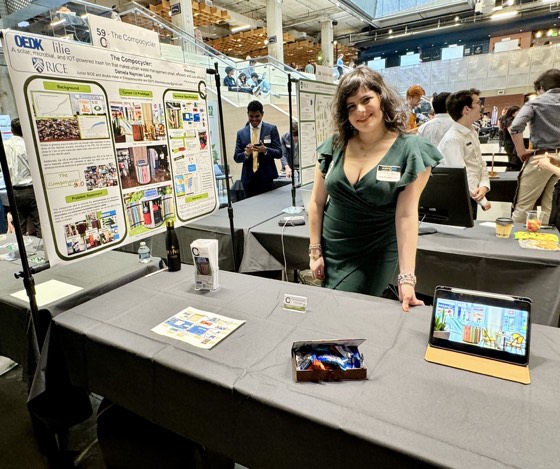
03The Compocycler

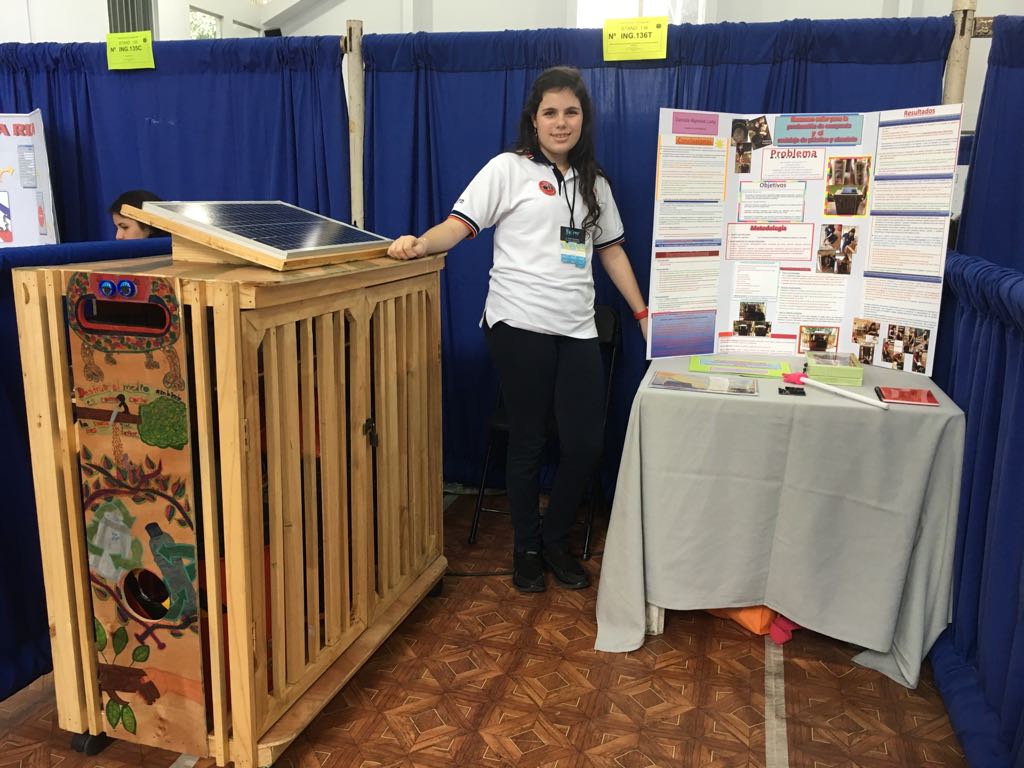
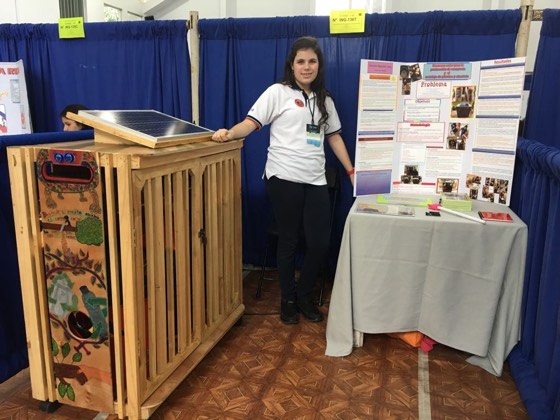
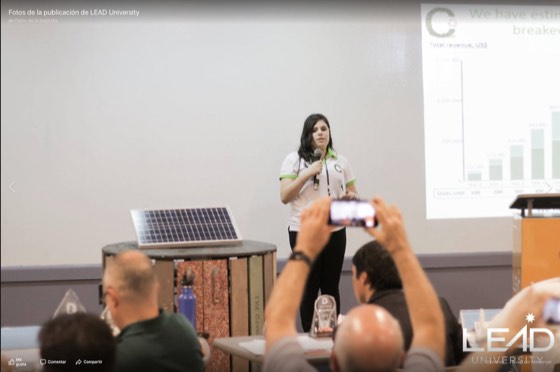
I built this for a science fair in 2017 and I'm now on version seven.

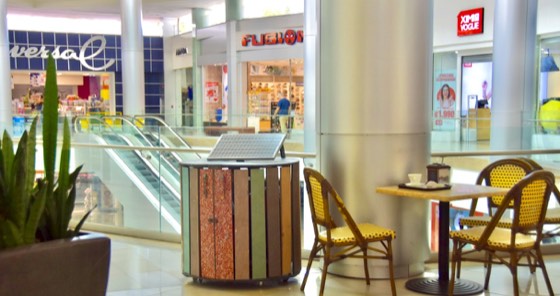
A solar, microbial and IoT-powered trash bin that makes urban waste management smart, efficient and cost-effective

  • Hardware
  • Microbiology
  • Solar
  • IoT

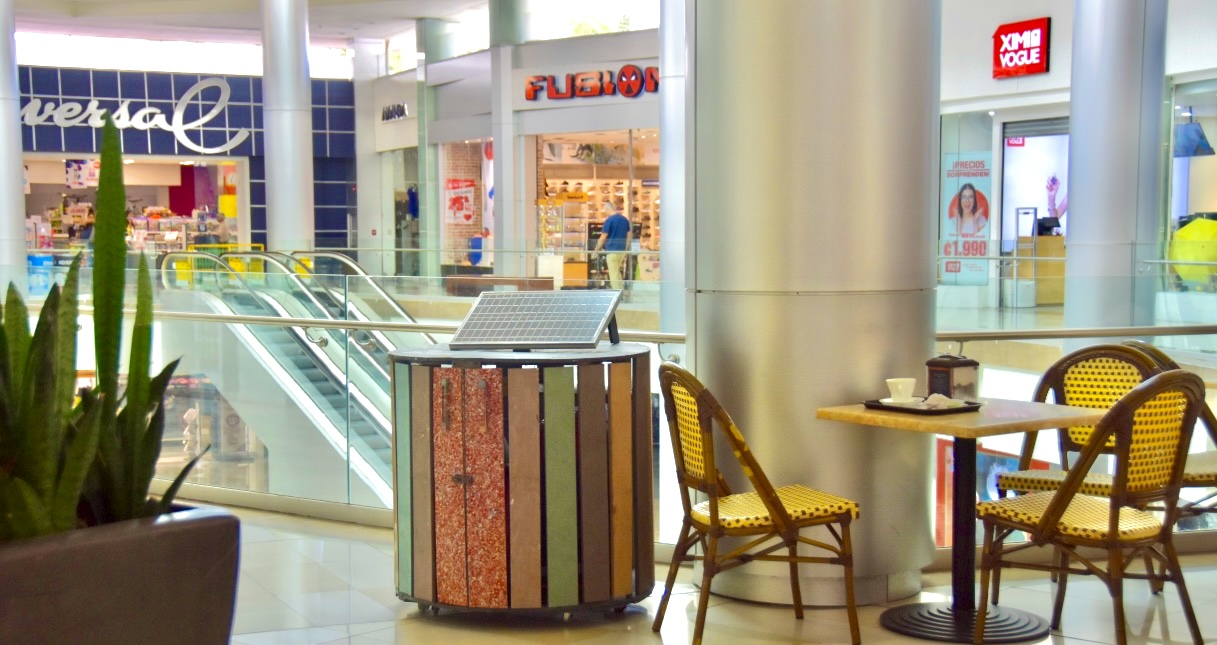
It's solar powered and it does two jobs in one bin. Recyclables go in one side and get compacted, so the bin holds far more before anyone has to come and empty it. Organic waste goes in the other, into a heat-lamp composting chamber that holds the microbes at a temperature where they work faster than they would in an open pile. An IoT layer tracks how full each side is and messages whoever collects it through a paired app.

Seven versions and nine years later I keep coming back to it, in a different context every time. A science fair in Costa Rica, then a social entrepreneurship competition, then a biomanufacturing course in my master's at Rice. The deadline that created it passed a long time ago and I kept going.

  • v1
  • v2
  • v3
  • v4
  • v5
  • BioBoost

Where it went

  • 2025BioBoost edition developed in the Biomanufacturing, Sustainability & Bioeconomy course, Rice
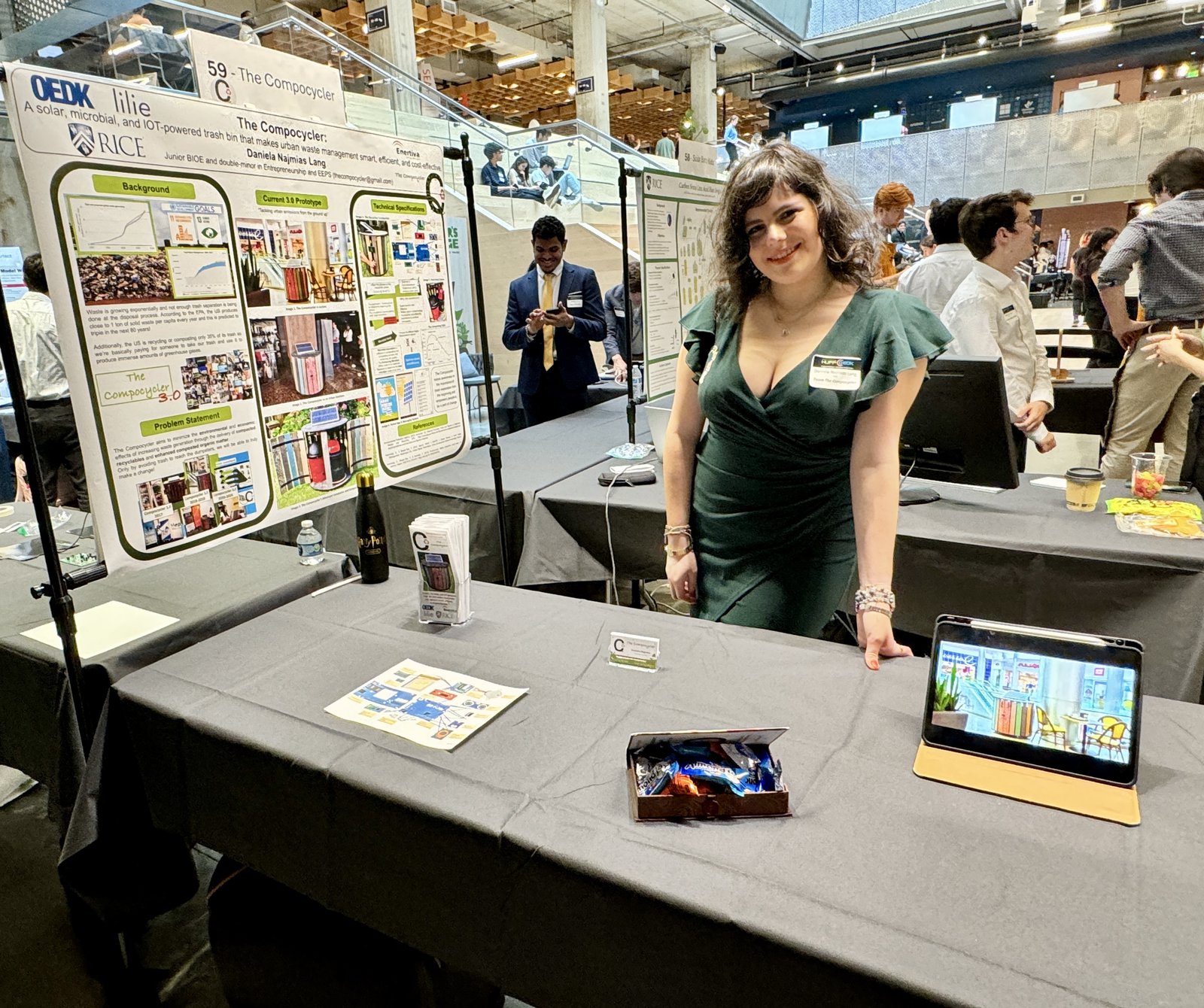
  • 2024Huff OEDK Engineering Design Showcase at Rice, as an independent project
  • 2022–23Rice Launchpad program, and an independent study in entrepreneurship
  • 2020Advanced composting worked on in Biochemical Engineering & Synthetic Life, Harvard
  • 2019Second place, Diamond Challenge social entrepreneurship, Costa Rica press ↗
  • 2017, 2018National Science Fair winner in scientific innovation, Costa Rica

2025 · with BCarbon · Peruvian Amazon

04Where Carbon Counts

How much carbon is actually standing in a hectare of Peruvian rainforest, and who decides that the number is good enough to sell?

Land, Carbon, and Communities: Spatial Foundations for Forest Climate Action in the Peruvian Amazon

  • Geospatial data
  • LiDAR
  • Carbon policy
  • Ground truth

BCarbon is a carbon registry and research centre. A registry is what decides whether stored carbon counts: it writes the standard, checks the measurement against it, and issues the credit that eventually gets sold. I worked the measurement side, in Peru's Purús region, where land-use zoning, carbon value and native territories mostly fail to line up.

I used NASA's GEDI satellite biomass data from 2020 to 2025, overlaid with Peruvian zoning maps from SERFOR and SERNANP and native community shapefiles, focused on Zoning Unit 402: a production forest that partly overlaps community territory.

Biomass density there is rising, around 250 Mg/ha in 2020 and projected to pass 300 by 2030, in a zone not classified for conservation at all. That is the finding and also the problem: most native communities live outside the forest zones that qualify for credits, so the carbon is real and the people protecting it are ineligible.

Where it went

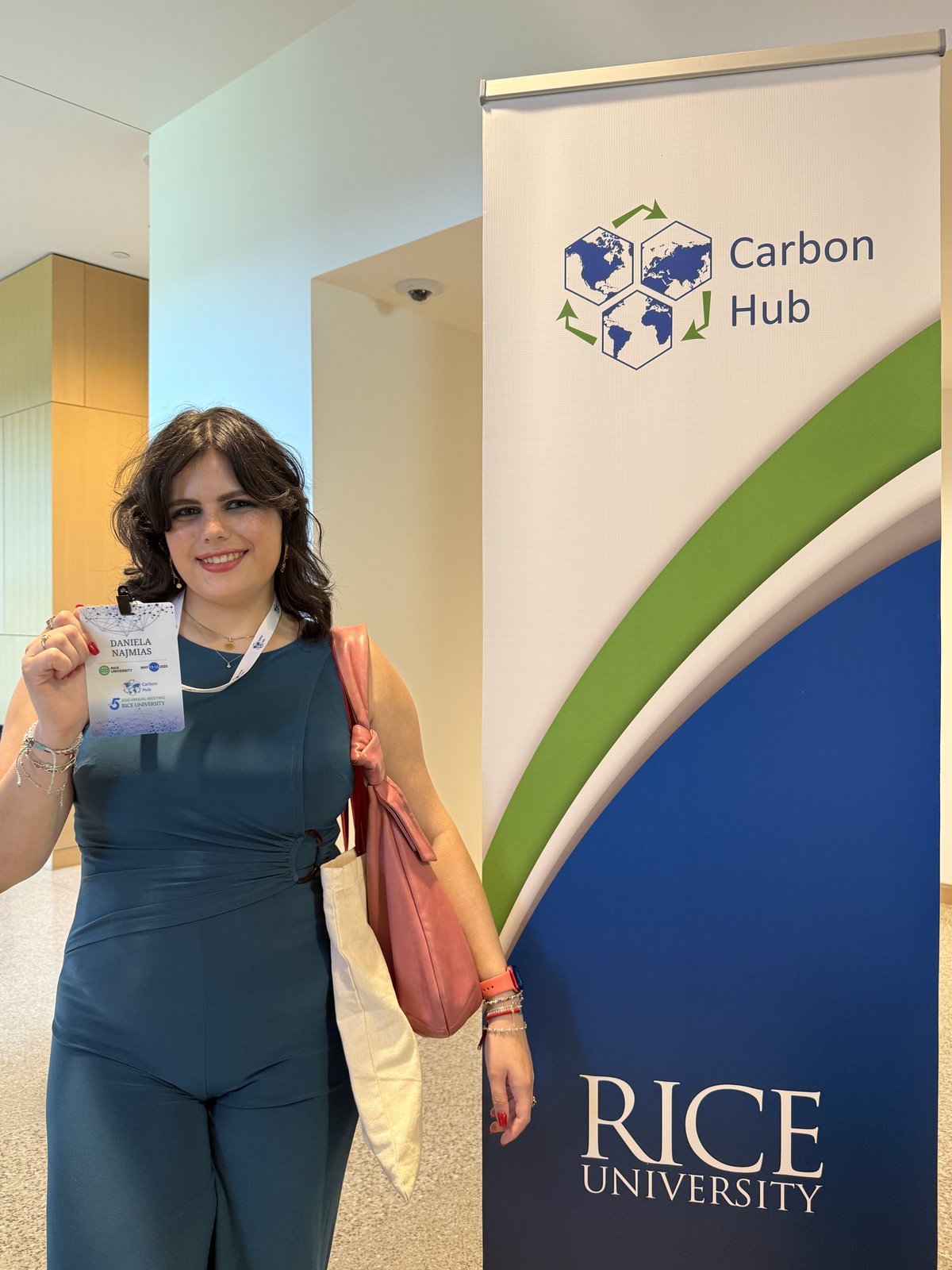
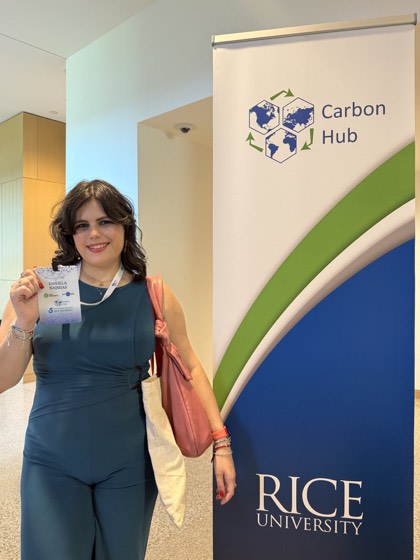
  • 2025National Annual Carbon Hub Meeting, Rice. Research poster, and the only undergraduate presenting
  • 2025Final project for Geospatial Data Science, Rice
Daniela beside the Carbon Hub banner at Rice University holding her research poster
Annual Carbon Hub Meeting, Rice
  • 250 → 300Mg/ha biomass density, 2020 to 2030 projected
  • Unit 402Production forest, Purús region, Peru
  • GEDINASA satellite biomass, 2020 to 2025

2024 to 2025 · started in Bologna, Italy

05Acqualizer

How do you design a mixer when the thing that decides whether it works is the part you can't see?

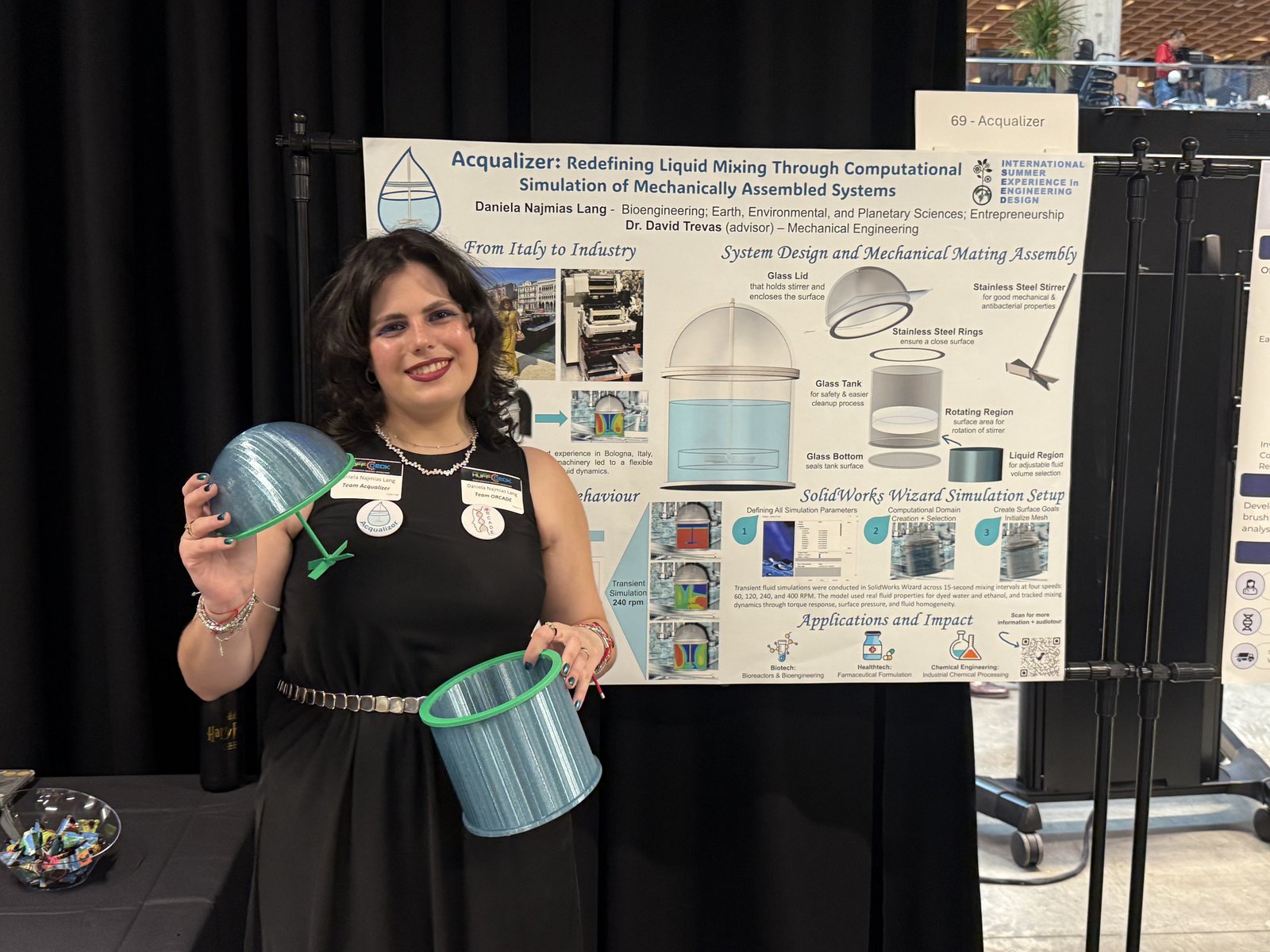
Redefining Liquid Mixing Through Computational Simulation of Mechanically Assembled Systems

  • Fluid dynamics
  • Mechanical design
  • Process equipment
  • Simulation

In Bologna I spent a lot of time around automated food machinery. What you see when you look at one of those machines is the mechanism. What decides whether it works is what the fluid is doing inside the vessel.

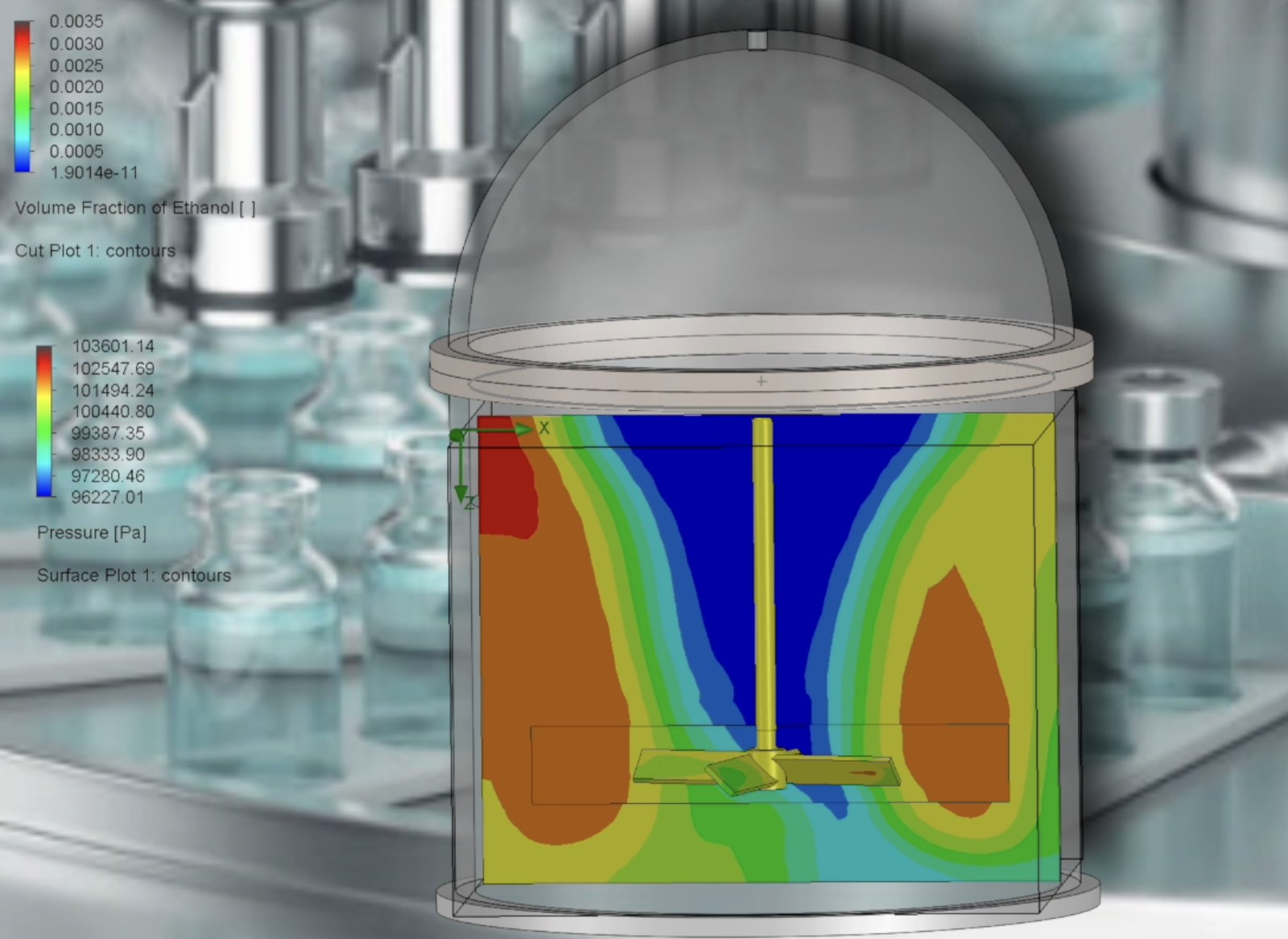
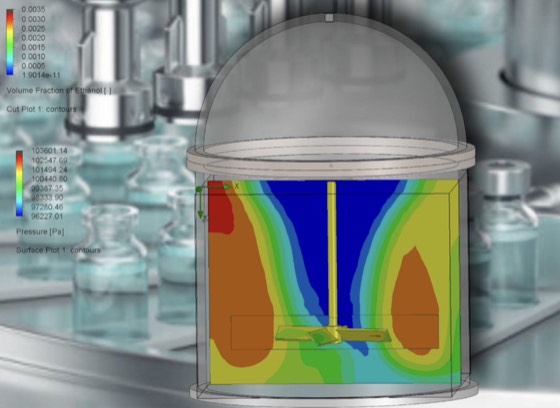
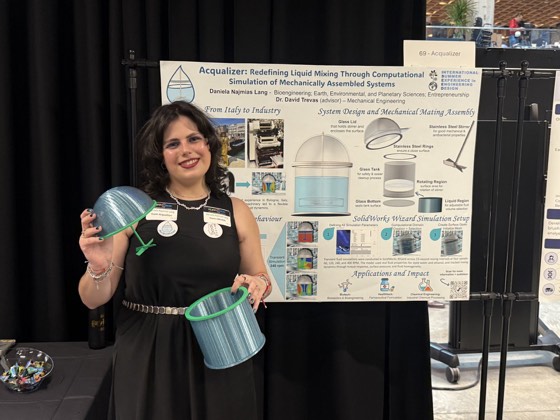
So I built one. Seven components in SolidWorks, a stirrer, tank, lid, rings and bottom seal, each carrying real material properties, assembled with concentric, coincident and tangent mates so the thing moves the way a real mixer moves.

Then fifteen seconds of flow simulation at 60, 120, 240 and 400 rpm, tracking torque on the stirrer and pressure across its surface. The dyed water is configured as chemically identical to water but visually distinct, so the volume fraction plots show exactly where the two phases have combined and where they have not. What comes out is the same question pointed at bioreactors, formulation and chemical processing: how hard do you have to drive a mixer before more speed stops buying you better mixing. I ran it as an independent project.

Where it went

  • 2025Huff OEDK Engineering Design Showcase at Rice,
    as an independent project
  • 2024Paper and demonstration video submitted in the Advanced Mechanical Engineering Design Tools independent study with Professor David Trevas, head of Mechanical Engineering Senior Design at Rice
  • 2024Started on the Rice International Summer Experience in Engineering Design in Bologna, Italy

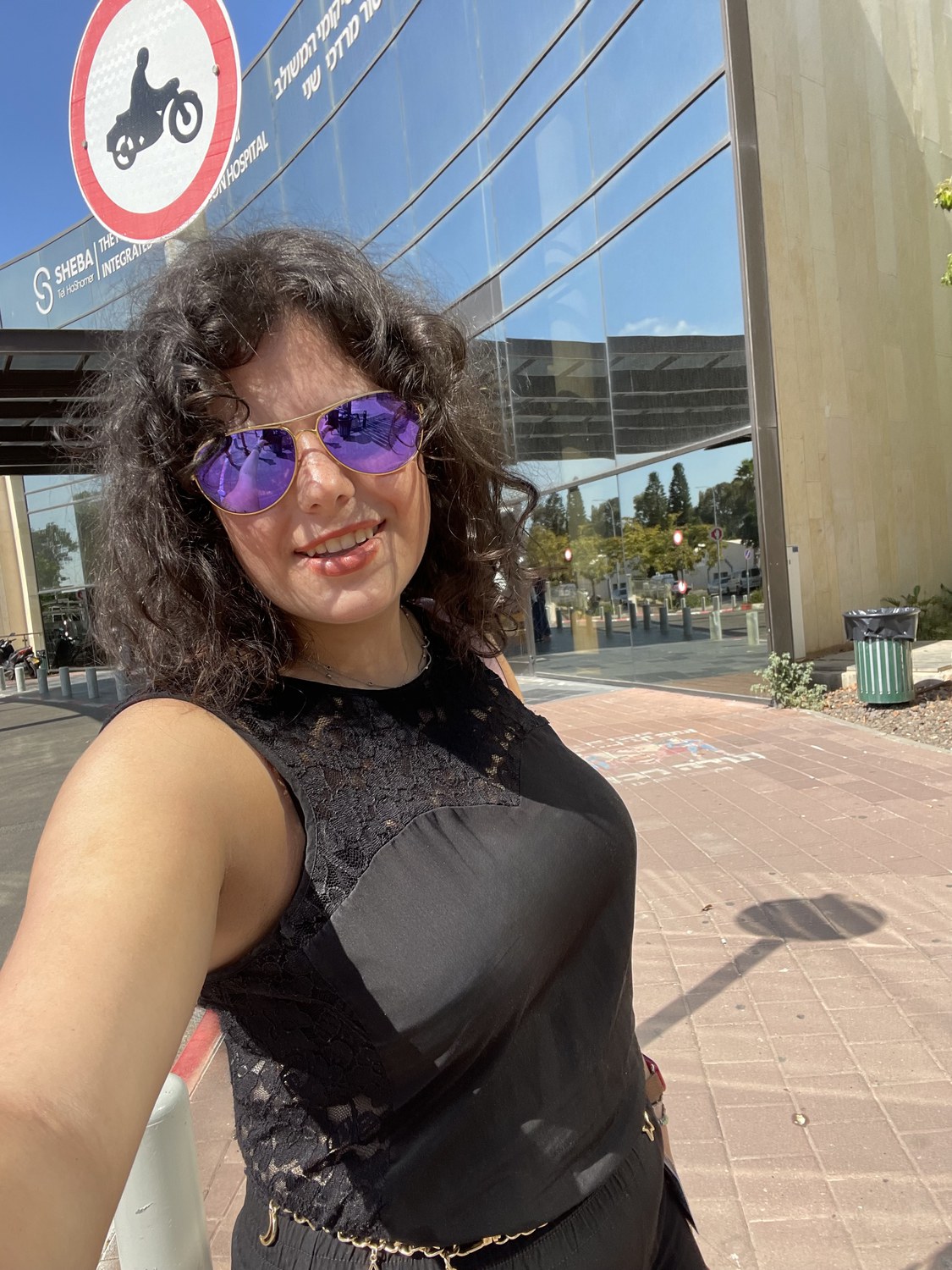
Summer 2023 · Center for Advanced Technology in Rehabilitation, Sheba Medical Center · Ramat Gan, Israel

06Human Systems Engineering

Determining the biological affective state of a subject while they are inside a virtual simulation.

Human-machine interfaces combining immersive virtual reality and physiological data to model affective and biological response states

  • Signal processing
  • Biometrics
  • Virtual reality
  • Clinical innovation

Rehabilitation increasingly takes place inside virtual environments, because a virtual environment can be controlled precisely and repeated exactly. What remains difficult is establishing what the subject's body is doing while they are in it, and whether the simulation is producing the response it was designed to produce.

I led the research and development of an analysis tool that bridges immersive VR and biological markers to determine a subject's affective state during a simulation. That meant signal-processing systems pairing the virtual environment with physiological biomarkers, and analytical workflows linking behaviour, environment and biological response to one another. Self-report tells you what someone believes they felt. The physiology tells you what occurred.

The work sat between bioengineering, biometrics and clinical innovation, which is a combination I have gone looking for deliberately since.

  • VR + biomarkersTwo data streams,
    one inferred affective state
  • Project leadR&D of the analysis tool

Jan to May 2022 · re:3D · NASA-contractor manufacturing

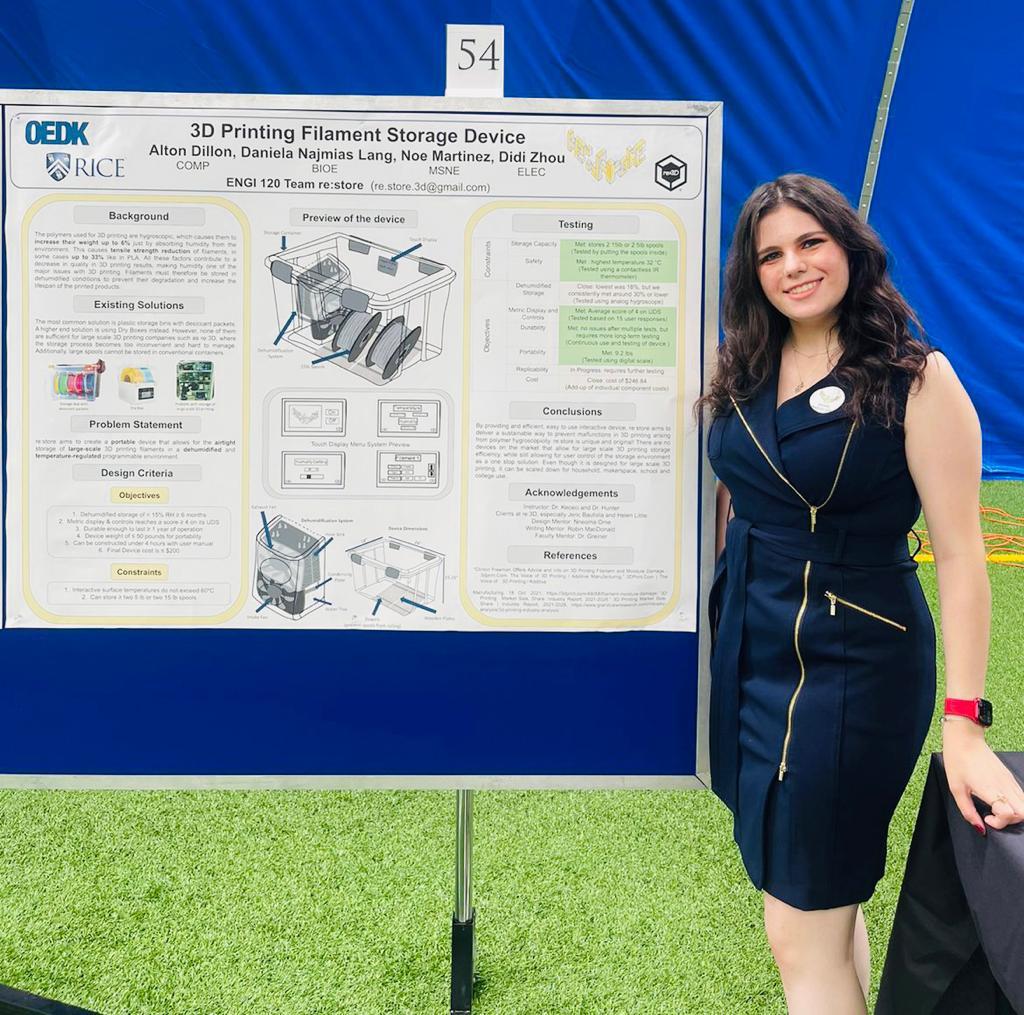
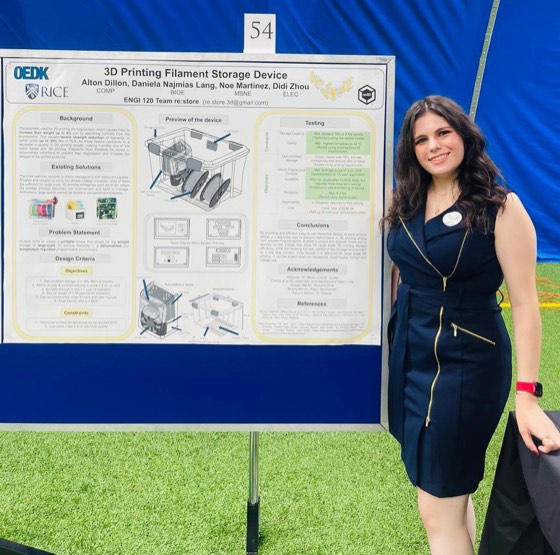
07re:store

The printers kept turning out brittle parts, so everyone assumed the printers were the problem.

  • Sensors
  • Embedded control
  • Manufacturing

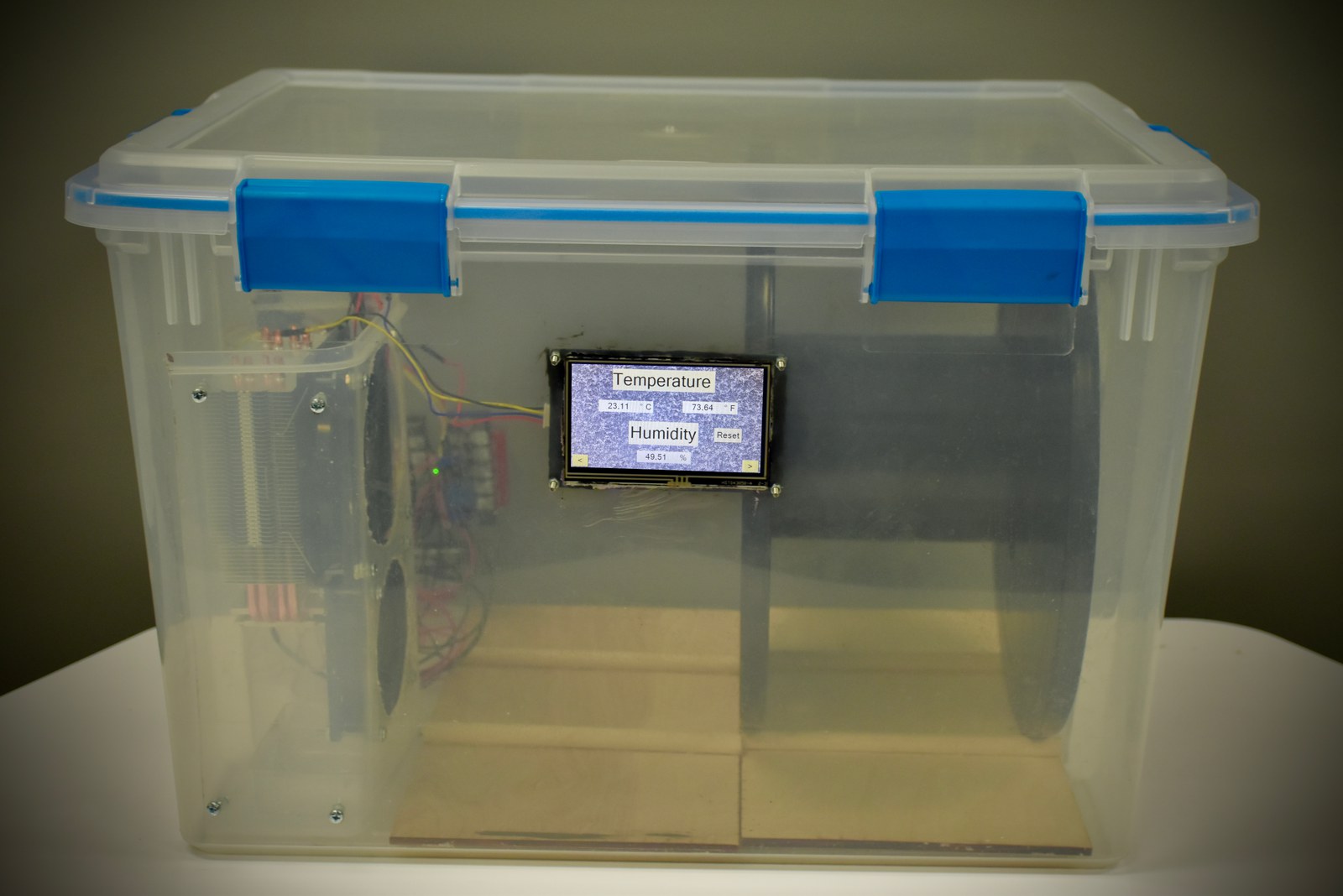
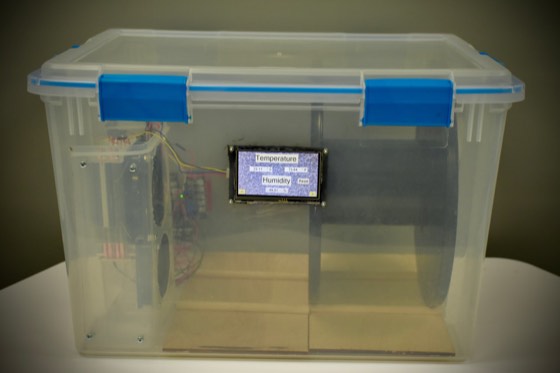
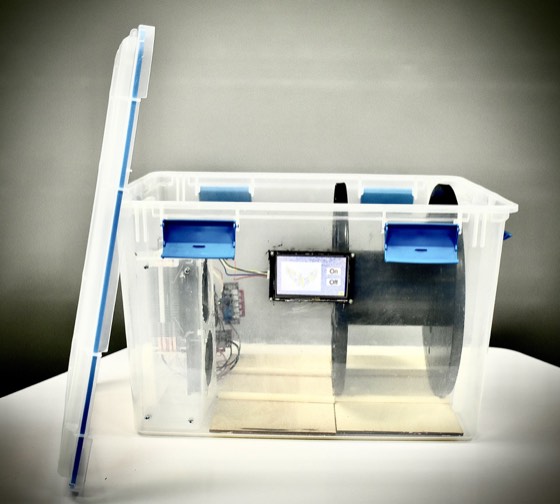
It was the air. Humidity soaks into filament while it sits on the shelf, so by the time you print with it the part is already compromised. Nobody was looking at the storage room, because the storage room isn't a machine.

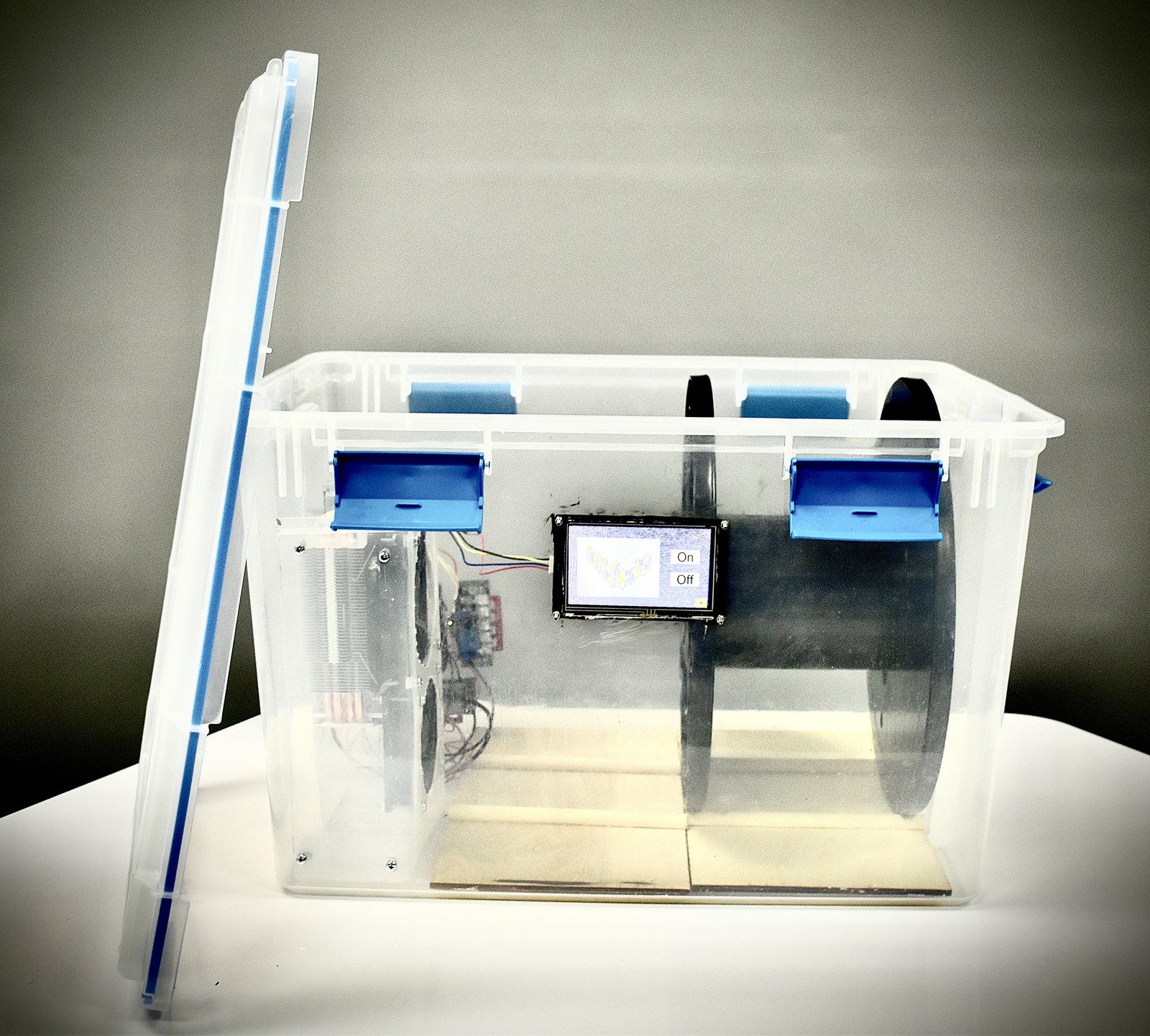
So we instrumented the room instead. Environmental sensing, automated dehumidification, a touchscreen, an Arduino underneath. It measures the humidity and corrects it without anyone having to check, and the brittleness went away and stayed away.

A team project at Rice, with re:3D as the client. They build printers designed for large-scale 3D printing for manufacturing, which is the scale that makes brittle filament expensive rather than annoying. Their name is where ours came from. re:store, half a nod to them and half the actual job: restoring the filament to something you can print with.

Where it went

  • 2022Engineering Design Showcase, Rice University
  • 50% → <30%Filament humidity, held
  • Closed loopSenses and acts, no operator

2018 to 2019 · built in Costa Rica, advised by OVSICORI · international final in Mexico City

08SALVAS

A building has come down. Where do you dig first?

Sistema Automatizado Localizador de Vidas Ante SismosAutomated Life Locator System in the Face of Earthquakes

  • Electronics
  • Disaster response
  • Seismology
  • Social venture

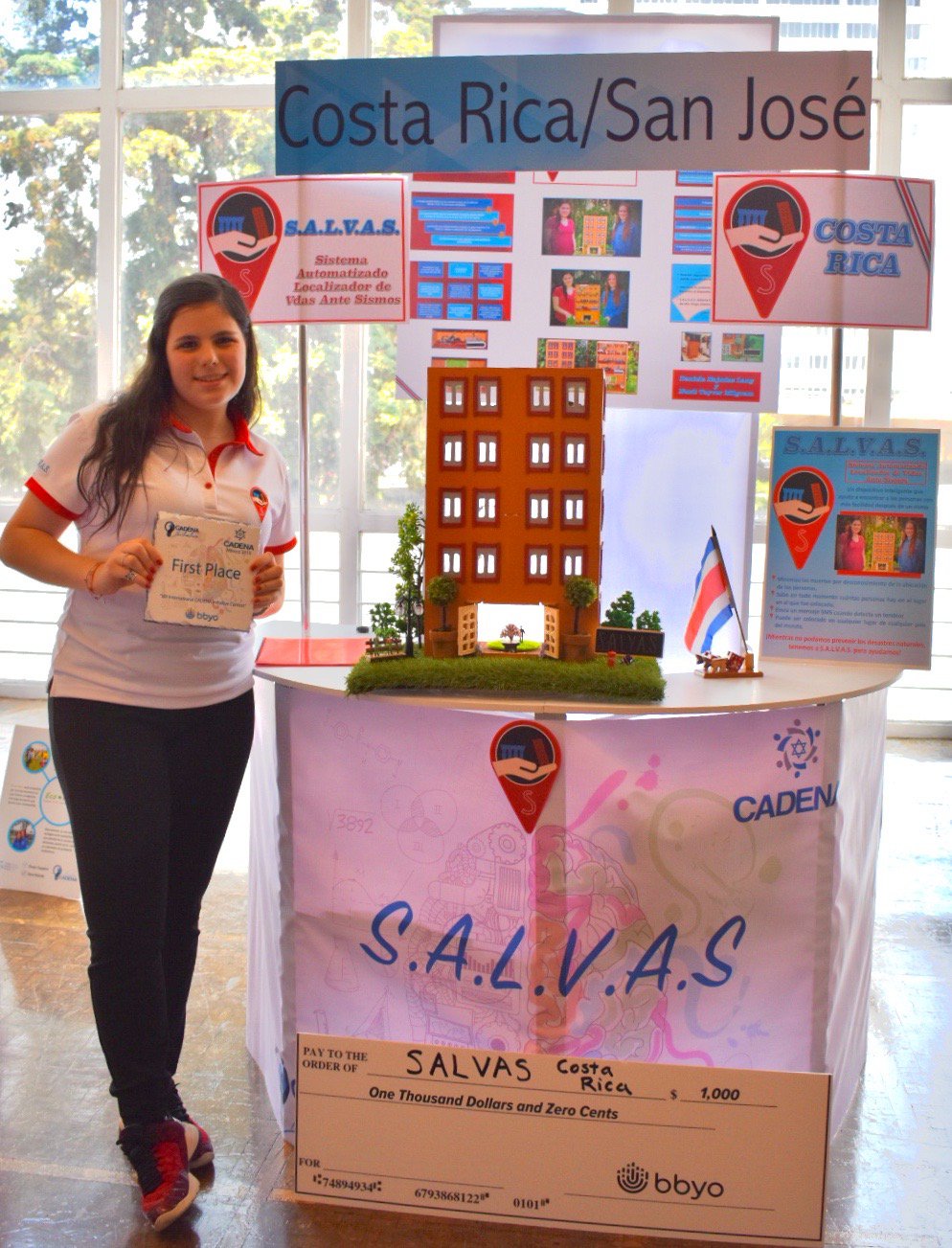
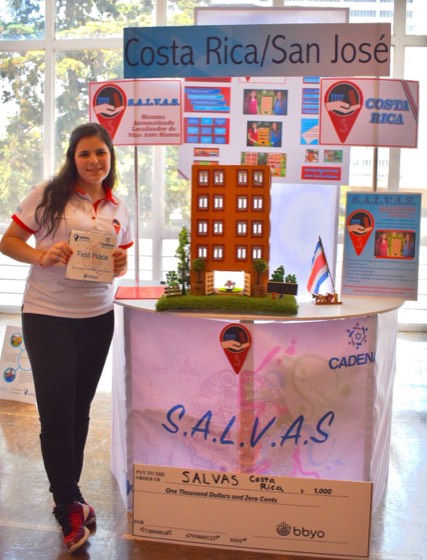
Costa Rica sits on a subduction zone, so this is not a hypothetical problem. SALVAS locates people automatically in the first hours after an earthquake brings a building down. The pun on salva vidas was not an accident.

I built it in high school, advised by OVSICORI, the national volcanological and seismological institute. One constraint shaped everything: disaster equipment has to be simple, deployable and hard to break. Anything clever that needs setup is useless at 3am in a disaster zone.

It won nationally, and because Costa Rica had never sent a team to the international final, we went as the country's first. We won there too.

Where it went

  • 2019International first place, Cadena Initiative Natural Disasters Social Entrepreneurship Competition, Mexico City about ↗
  • 2018–19Advised by OVSICORI, the Volcanological and Seismological Institute of Costa Rica
  • 2018National winner, Cadena Initiative natural disaster innovation challenge, Costa Rica

2019 to 2020 · Costa Rica · extended at Harvard Extension School

09DIMREH

Most household emergencies announce themselves before they become emergencies.

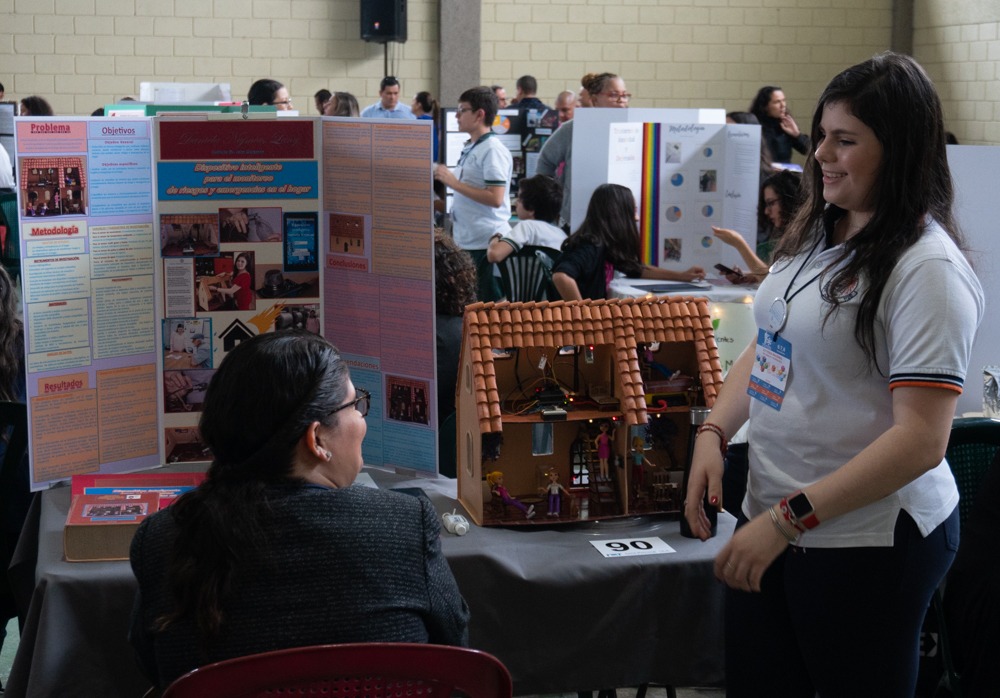
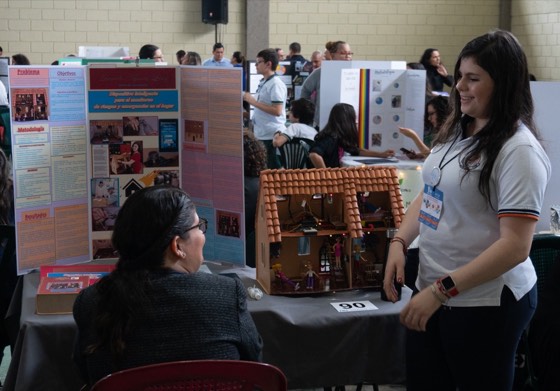
Dispositivo Inteligente para el Monitoreo de Riesgos y Emergencias en el HogarIntelligent Device for Monitoring Risks and Emergencies at Home

  • IoT
  • Risk detection
  • Human-centred design
  • Medical applications

DIMREH is a low cost IoT monitor for that gap. It watches for the physical signs that something is going wrong in a house and tells someone before it turns into an emergency.

I built it in Costa Rica, then extended it at Harvard Extension School in my senior year of high school, as the only person in the room who was not in graduate school.

It had to run on parts a household could actually afford, which is what made deciding what counts as abnormal the hard part rather than the sensing. A cheap sensor that cries wolf gets unplugged within a week.

Where it went

  • 2020Medical applications approach developed in the Biomedical Product Development course, Harvard
  • 2020Best presentation pitch, Eureka Science & Engineering Competition, and one of the national finalists competing to represent Costa Rica at ISEF 2020 CRHoy ↗
  • 2019Honorific mention in scientific and technological innovation,
    Costa Rica National Science Fair MEP ↗

So, what are you building?

Tell me the part that isn't working yet.
That's usually the interesting bit.

If you're hiring, building something, or want a second opinion on whether a technology does what it says, that's a good reason to write.

daniela@dnlventures.tech

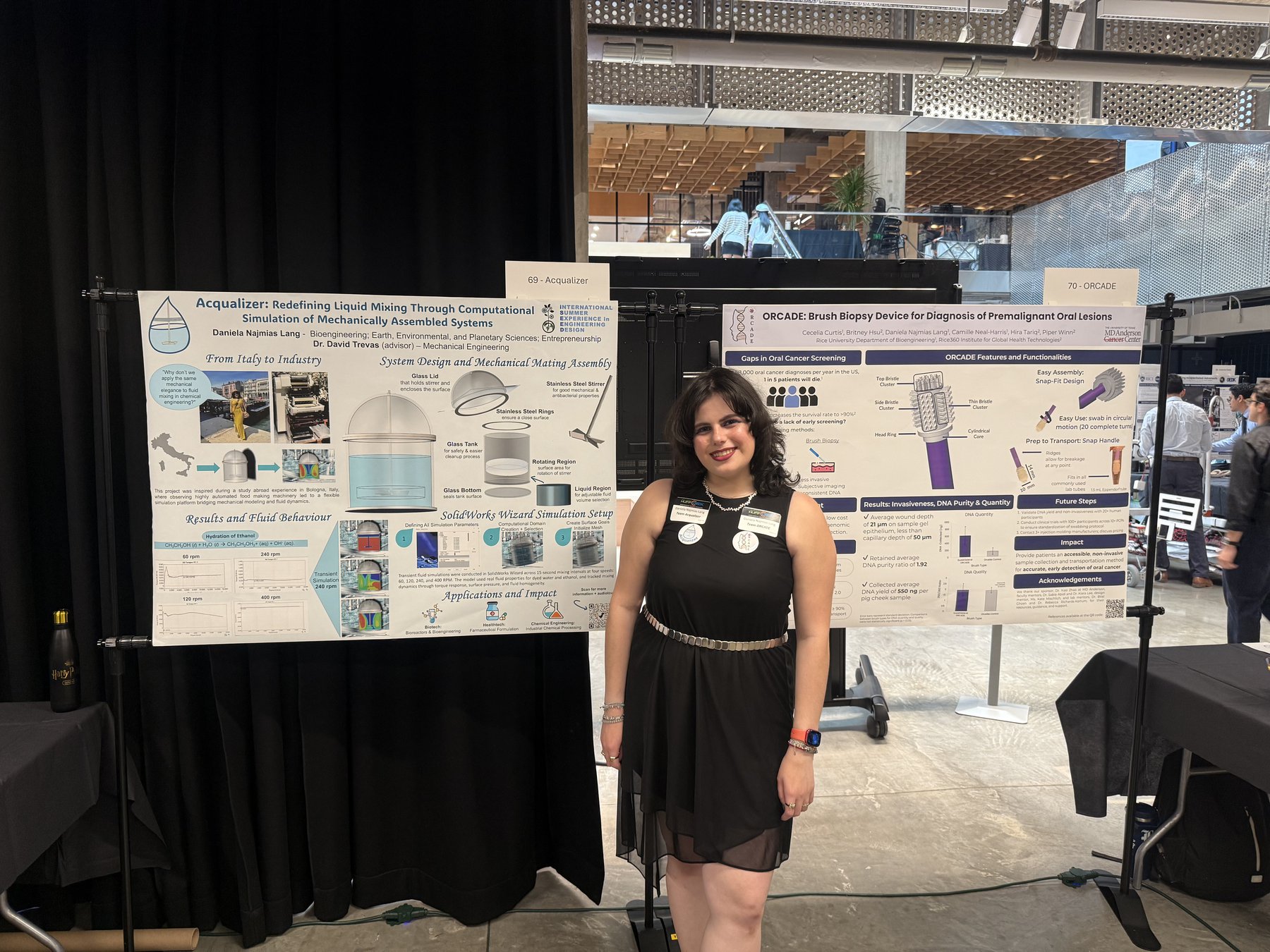
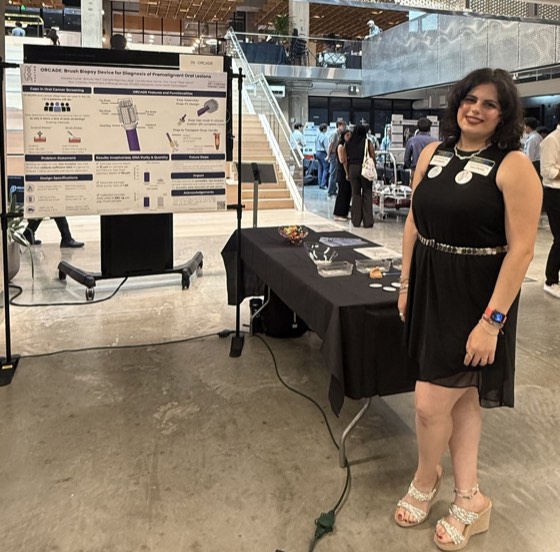
Daniela Najmias Lang standing between two research posters at the Rice Engineering Design Showcase: Acqualizer on the left and ORCADE on the right
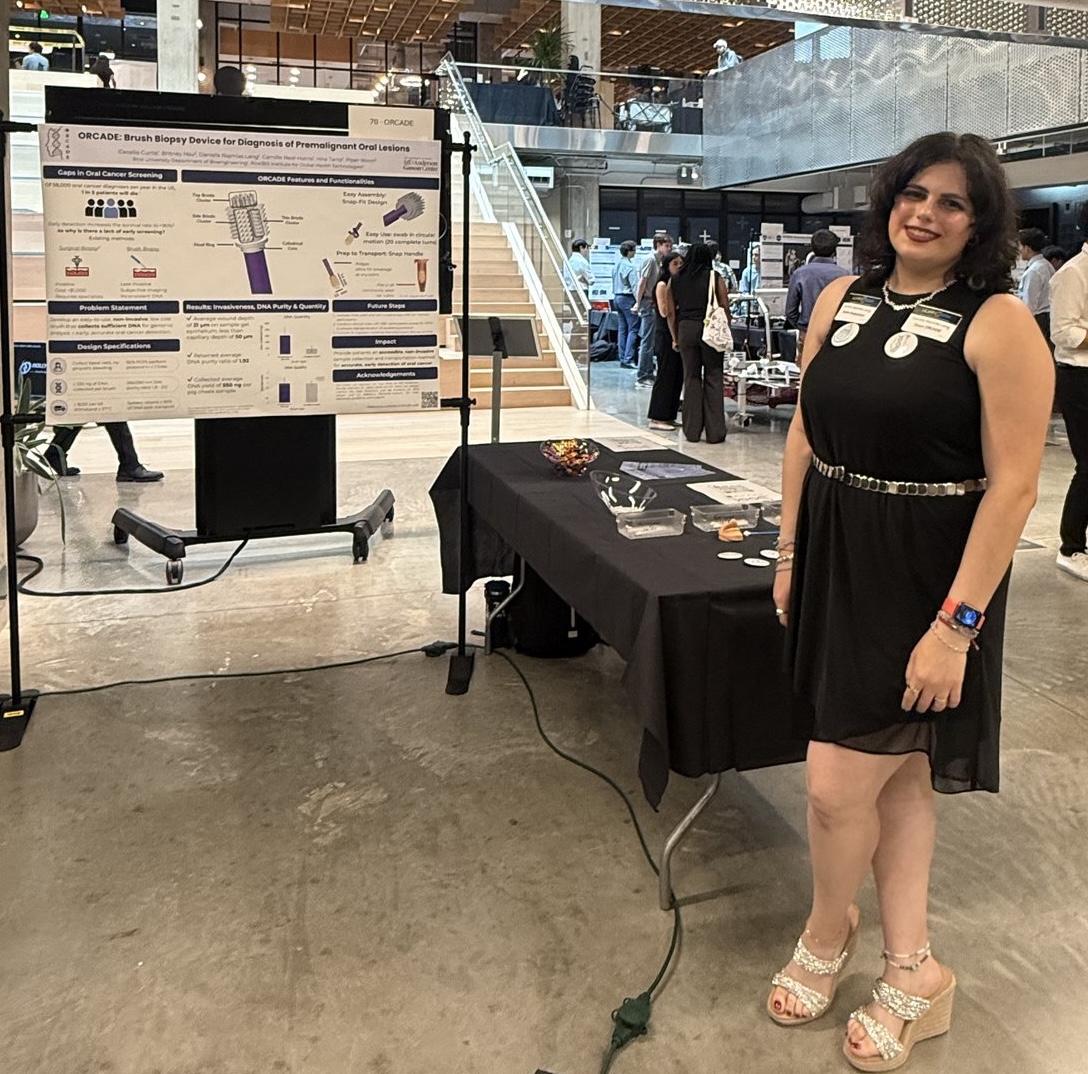
Rice Engineering Design Showcase at The Ion, Houston, presenting Acqualizer and ORCADE